Leave Your Message
Wow, have you seen how much the lighting industry has changed over the last few decades? It’s pretty incredible, right? Led Light bulbs have really taken the lead when it comes to being energy-efficient and eco-friendly. As technology keeps advancing, the designs and uses of LED lighting have evolved too, making it a go-to choice for homes and businesses alike. Here at FREE LIGHTING, we’ve been around since 2009, and we’re super proud to be one of the top manufacturers of LED bulbs and dimmers. Our mission is all about providing high-performance lighting solutions, and we've worked hard to build a reputation for quality and reliability. This has helped lighting brands, manufacturers, designers, wholesalers, and retailers all over the world to adopt this cutting-edge technology. In this blog post, we’re gonna dive into how energy-efficient lighting has evolved with LED bulbs, showcasing the impressive advancements in performance, design, and their positive impact on the environment that make them the preferred choice for a greener future.
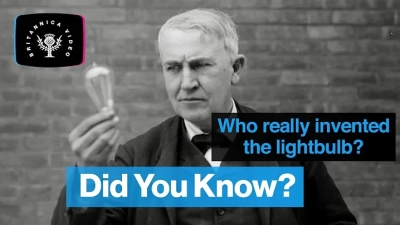
You know, before LED lights came along, we were pretty much stuck with lighting options that weren't exactly energy-friendly. Incandescent bulbs, which totally changed the lighting game back in the late 1800s, gave off this cozy, warm glow. But, boy, did they chew up a lot of energy! These old bulbs only turned a tiny bit of energy into light, with the rest just wasted as heat. As cities started to boom and everyone wanted affordable lighting, this inefficiency became a huge issue.
Then, as we rolled along into the 20th century, fluorescent lighting popped up as a better option. These guys worked a bit differently, giving off more light using less juice, which was a win for everyone. You'd find fluorescent tubes pretty much everywhere in offices and factories because they lasted longer and were more efficient. But let's be real; they weren't perfect. They could flicker sometimes and contained some nasty stuff like mercury. So, while they were a step in the right direction, they still didn't solve everything we needed for energy efficiency.
Fast forward to the 21st century, and that's when LED lighting changed the game again. LED bulbs are just amazing when it comes to energy efficiency and lifespan. They totally blow both incandescent and fluorescent lights out of the water! With their ability to shine bright while using so little power, LED lights really bring together everything we've learned about lighting over the years, tackling both energy conservation and our environmental footprint head-on.
You know, LED lighting has really changed the game when it comes to lighting up our spaces—it's all about being efficient and lasting a long time. Basically, LED stands for Light Emitting Diode, and it works on a pretty straightforward idea: when you pass an electric current through a semiconductor, it gives off light. That’s the magic behind why LED bulbs can use up to 80% less energy than those old-school incandescent bulbs that waste a lot of power as heat instead of actual light. In fact, the U.S. Department of Energy has actually said that if we all switch to LEDs, we could cut our energy use for lighting by around 50% by 2030. How cool is that?
But, here’s the kicker—one of the best things about LED lighting is how long it lasts. I mean, on average, LED bulbs can shine for anywhere from 15,000 to 50,000 hours, while those incandescent ones usually give up after about 1,000 hours! So, you end up replacing them way less often, which means spending less on new bulbs and maintaining your lights over time. Plus, the color rendering of LED lights is often over 90%, which makes colors pop and is super important in spaces like galleries or stores. As more people start to think about the impact of their choices on the planet, moving to LED lighting is a great way to be energy-efficient and live a more sustainable lifestyle.
You know, when it comes to energy-efficient lighting, people are really debating the pros and cons of LED bulbs versus the old-school options like incandescent and fluorescent lights—it's such a hot topic nowadays! LED, or Light Emitting Diodes, have come a long way in a short amount of time and bring a ton of benefits to the table. For starters, one of the biggest perks is how much less energy they consume. We're talking about up to 80% less electricity than those traditional incandescent bulbs. That means lower energy bills and a smaller carbon footprint, which is especially great for businesses where lighting can eat up a big chunk of energy costs.
And let’s chat about lifespan because LEDs really knock it out of the park there too. While incandescent bulbs usually last about 1,000 hours and fluorescents hang around for about 7,000 hours, LED bulbs can go on for a whopping 25,000 to 50,000 hours! Seriously, that’s a game-changer—it cuts down on how often you have to replace them and also lessens the waste piling up over time.
But wait, there’s more! LED tech also brings better lighting quality into the mix. You get options for adjustable brightness and a range of color temperatures, so you can create whatever vibe you want in any space. With all these long-term savings and environmental benefits, plus their versatility, it’s pretty clear that LED lighting is the way to go over those traditional options.
This pie chart illustrates the distribution of different lighting options in terms of usage and efficiency. LED lighting is clearly the most predominant choice, reflecting its growing popularity and energy efficiency compared to traditional lighting options such as incandescent, CFL, and halogen bulbs.
Making the switch to LED light bulbs is a pretty big deal when it comes to being more eco-friendly with our lighting choices. You know, compared to those old-school incandescent bulbs that just burn energy and waste a ton of it as heat, LEDs do a much better job of turning energy into actual light. This not only helps us cut down on our electricity bills, but it also eases the load on power plants. And, get this: all that means less greenhouse gas emissions, which is super important in our fight against climate change. So, as more homes and businesses jump on the LED bandwagon, every little bit adds up!
Plus, one of the coolest things about LED technology is its longevity. They last way longer than those incandescent and fluorescent bulbs. What that means is we’re tossing fewer bulbs into landfills, which is just great since it cuts down on waste. And with less stuff needing to be manufactured and transported, we’re saving resources left and right. Basically, switching to LED lighting not only helps us save energy, but it also supports a more sustainable way of lighting up our lives. It really shows how adopting these technologies can make a difference in protecting our planet.
You know, the future of energy-efficient lighting is tightly connected to some pretty cool innovations. Not only are we seeing LED light bulbs getting even better, but there’s also a big push for sustainability in buildings all around us. With new architectural designs popping up, it’s super important to focus on energy-efficient solutions. Things like smart lighting systems that are all integrated and advances in material science are really changing how we use energy, cutting down on waste, and making our spaces—both commercial and residential—way more enjoyable to be in.
Another thing to keep in mind is how collaboration across different industries is really pushing lighting tech forward. Take photonics, for example; it’s all about figuring out how light interacts with materials like semiconductors, which is leading to some amazing efficiencies in energy conversion. This blend of high-tech innovation and teamwork is crucial because it not only backs the goals of today’s energy-efficient buildings but also helps tackle the urgent issues of climate change. As more construction sectors hop on this trend, the evolution of LED lighting is lighting the way toward a greener, more sustainable future.
You know, the way people are starting to adopt LED lighting is really something to talk about! It’s a major trend in energy-efficient lighting, and it’s all thanks to everyone becoming more aware of sustainability and wanting to cut down on those energy bills. The global lighting scene is gearing up for some major growth, with LED tech leading the charge because, well, they last longer and use less energy. More and more folks are on the hunt for those energy-saving LED bulbs, and it totally ties in with that massive $1.8 trillion global wellness market. These days, making sustainable choices is pretty much the name of the game when it comes to feeling good overall.
And here’s the thing: businesses are really catching on to how important it is to keep their customers engaged. That’s where digital signage comes in, especially in retail—it’s really lighting a fire under the commercial display market, which is on track to surpass a whopping USD 93.16 billion! This connection between creating better consumer experiences and energy-efficient lighting isn’t just changing how retailers do business; it’s also shining a light on why adopting advanced lighting tech is crucial. Plus, with innovations popping up in areas like digital payments and telehealth, it’s clear that customer demand is pushing for smarter, digital-first solutions. Companies that want to succeed in the ever-changing marketplace have got to focus on sustainability and put their customers front and center. It’s all about keeping up, right?
: LED lighting stands for Light Emitting Diode lighting, which operates when an electric current passes through a semiconductor, producing light.
LED bulbs are up to 80% more energy-efficient than traditional incandescent bulbs, which waste much energy as heat instead of light.
LED bulbs typically last between 15,000 to 50,000 hours, significantly longer than incandescent bulbs, which average around 1,000 hours.
The CRI of LED lights often exceeds 90, providing enhanced color accuracy essential for settings like art galleries and retail spaces.
Transitioning to LED bulbs reduces energy consumption and lessens the demand on power plants, which in turn decreases greenhouse gas emissions.
The longer lifespan of LED bulbs means fewer bulbs are manufactured and disposed of, resulting in less waste in landfills and reduced resource consumption.
The U.S. Department of Energy estimates that widespread adoption of LEDs could reduce energy consumption for lighting by about 50% by 2030.
LEDs promote energy efficiency, have a longer lifespan, which leads to less waste, and contribute positively to environmental protection efforts.
As consumers become more aware of the environmental impacts of their choices, the transition to LED lighting supports sustainable practices in daily life.
The efficiency of LEDs reduces electricity consumption, leading to a lower overall demand on power plants, which helps decrease greenhouse gas emissions contributing to climate change.