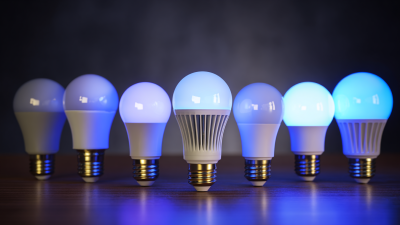
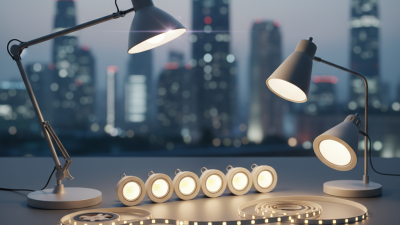
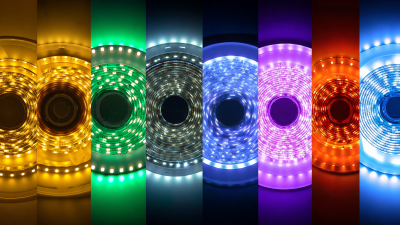
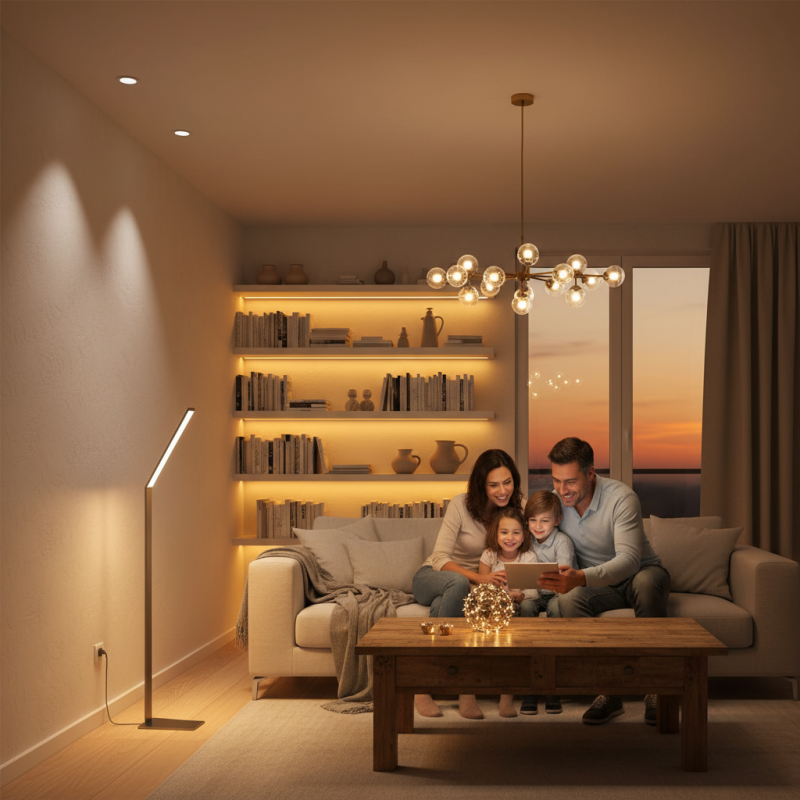
Making the switch to Led Lights at home isn’t just about creating a cozy mood; it’s also a smart move when it comes to saving energy. Industry expert John Smith from Lighting Innovations puts it nicely, saying, "Switching to LED lighting at home isn’t just clever — it’s pretty much a must these days." His words really reflect how more folks are leaning toward greener, more sustainable living.
Nowadays, many families are looking for ways to cut down on their energy bills. Honestly, LED lights can save you quite a bit compared to the old-school bulbs. They last longer, and they use less electricity, which means less money spent on your monthly bill. Still, I get it—some people are a bit hesitant. They ask, ‘Is it really worth spending more upfront for these LEDs?’
Even with those questions, the advantages are pretty obvious. That soft glow from a home LED lamp can totally set a warm, inviting vibe in any room. But, it’s also super important to choose quality products. Sadly, not all cheap options measure up—they might not be bright enough or last very long, which can be annoying. That’s why it’s worth doing a bit of homework to pick the right LED lights that match what you need. All in all, shifting to LED lights at home is like taking a small step towards a brighter, greener future—even if you’ve got some doubts at the start.”
Benefits of Switching to LED Lights for Home Use
Switching to LED lights for home use offers numerous benefits that can enhance everyday living. These innovative bulbs use significantly less energy than traditional options. With LED lights, you can reduce your electricity bills and lower your carbon footprint. Imagine your savings going up each month as your energy consumption goes down. You may feel good knowing you are making a positive impact.
LED lights also have a much longer lifespan than regular Home Light Bulbs. While traditional bulbs might last about a year, LEDs can shine for over a decade. This difference means fewer replacements and less waste. However, it's important to consider the upfront cost of switching to LEDs. They can be more expensive initially. In the long run, the savings on your bills typically outweigh this initial investment.
Another advantage of LED lighting is their versatility. They come in various styles, shapes, and colors to fit any home decor. You can create a warm ambiance or a bright, focused workspace. Nonetheless, some people may find the color temperatures confusing. With so many options available, it might take time to find what you like best. Experimentation is key. As you explore LED options, think about how they can enhance each room in your home.
Best LED Lights for Home
| Type of LED Light | Wattage | Lumens | Lifespan (Hours) | Color Temperature (K) | Energy Savings (%) |
| A19 Bulb | 10W | 800 | 25000 | 2700 | 80% |
| BR30 Flood Light | 12W | 900 | 25000 | 3000 | 80% |
| GU10 Spotlight | 5W | 400 | 25000 | 4000 | 75% |
| Strip Lights | 24W | 1800 | 30000 | 6500 | 85% |
| Candle Bulb | 6W | 470 | 25000 | 3000 | 80% |
How LED Lights Contribute to Energy Efficiency
LED lights are transforming the way we light our homes. These lights save energy and reduce costs. According to the U.S. Department of Energy, switching to LED can save up to 75% in energy compared to traditional bulbs. This energy efficiency impacts both our bills and the environment.
A report by the International Energy Agency indicates that widespread adoption of LED technology could cut global lighting energy use by nearly 50% by 2030. Many households still rely on older lighting technologies. This reliance leads to higher electricity bills and increased carbon emissions. An often-overlooked aspect is the longer lifespan of LED lights. They last up to 25 times longer than incandescent bulbs, leading to fewer replacements.
Not everyone is making the switch. This may be due to initial costs, which some find high. However, the energy savings over time often outweigh these costs. Seeing longer-lasting benefits creates a compelling case for change. It’s crucial to weigh upfront expenses against long-term gains. Each choice we make impacts our energy future. Let's reconsider our lighting habits.
Comparing LED Lights with Traditional Lighting Options
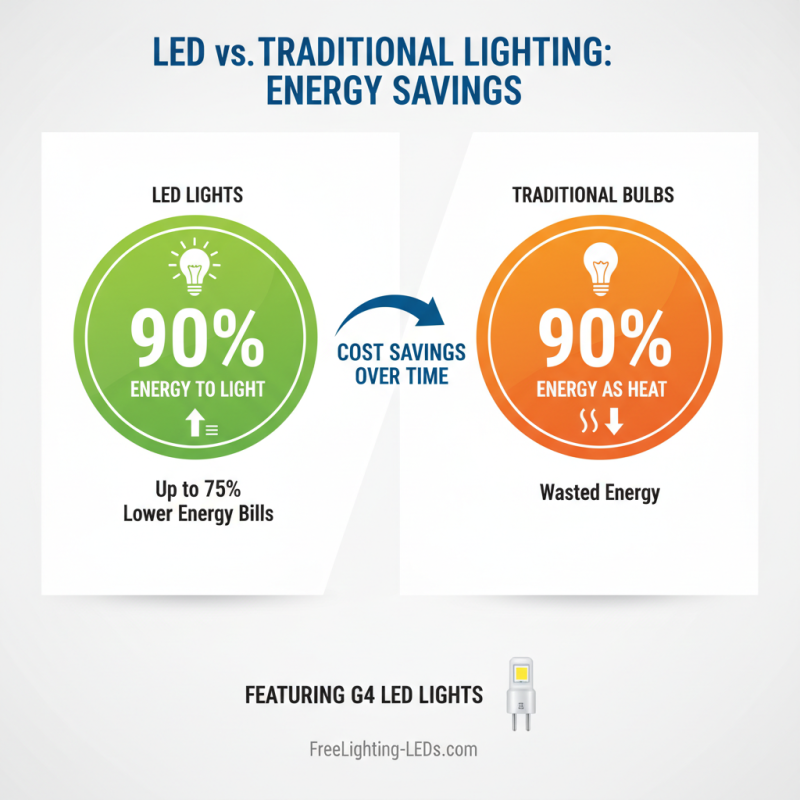
When comparing LED lights with traditional lighting options, the benefits are striking. Traditional incandescent bulbs waste around 90% of their energy as heat. In contrast, LED lights, including G4 Led Lights, convert a majority of their energy into visible light. This efficiency leads to significant cost savings over time. Studies show that switching to LED can cut energy bills by up to 75%.
Moreover, LEDs have a lifespan that far exceeds that of traditional bulbs. While incandescent bulbs last about 1,000 hours, LED alternatives can shine for 25,000 hours or more. This durability reduces replacement frequency. The environmental impact is also noteworthy. Less frequent replacements mean fewer bulbs in landfills.
However, not all LED lights are created equal. Some may present color quality issues, lacking the warm glow some users prefer. Consumers should investigate different options. Overall, transitioning to LED lighting, including G4 Led Lights, is a practical choice for eco-conscious households. The advantages of longevity and efficiency are hard to ignore.
Top Features to Look for in LED Home Lighting
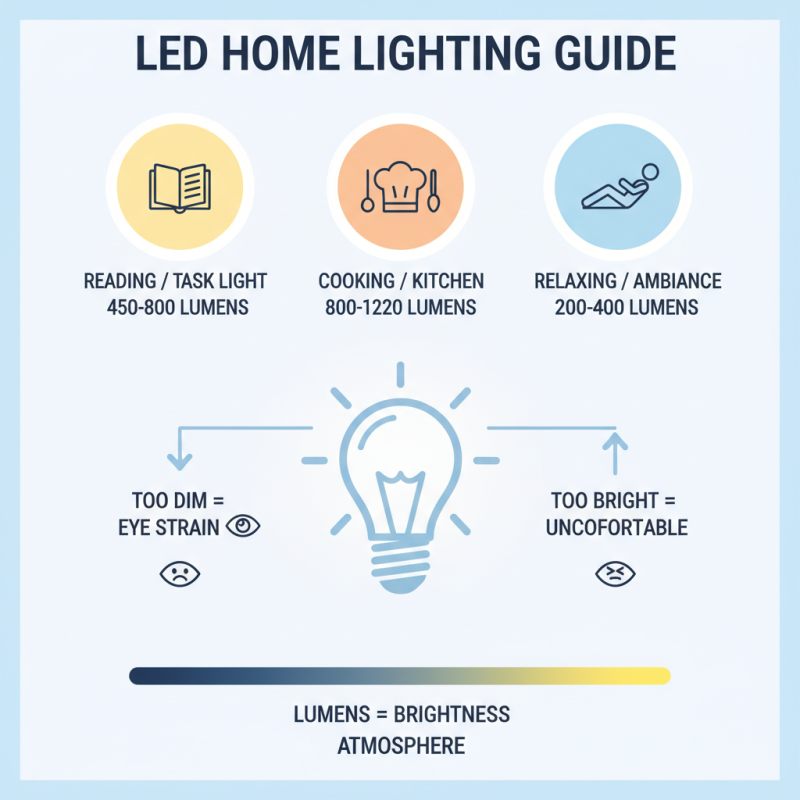
When choosing LED lights for your home, consider brightness. Measured in lumens, proper brightness is essential for various tasks. You need adequate lighting for reading, cooking, or relaxing. Too dim can strain your eyes. Too bright can be uncomfortable. Think about the atmosphere you want to create.
Color temperature is another critical feature. It’s usually displayed in Kelvins. Warmer tones can create a cozy feeling. Cooler tones are more energizing. Picking the right temperature can change the mood of any room. Dimmers also deserve attention. They offer flexibility for different occasions. You can adjust the light to fit your needs.
Energy efficiency is important as well. LEDs use less energy than traditional bulbs. This means lower electricity bills. Many homes still use outdated lighting. It’s worth considering the long-term savings and environmental impact. Sometimes, change feels daunting. But making the switch to LED can be easier than it seems. Just little adjustments can lead to significant benefits.
Popular LED Lighting Options for Different Home Areas
When choosing LED lights for your home, consider the specific areas that need effective lighting. For instance, kitchens benefit from bright, white light that enhances visibility. Studies show that lighting affects mood and productivity. A well-lit kitchen can inspire home chefs to create and experiment. T4 Led Lights are ideal here as they offer a crisp illumination.
Living rooms demand a different approach. Soft, warm light creates a welcoming atmosphere. Dimming options can be quite handy for setting the mood during movie nights. Yet, many overlook the importance of lighting design. The wrong choice can lead to harsh, uninviting spaces.
Bathrooms require both safety and efficiency. Brightness is essential when grooming, but energy savings shouldn’t be ignored. A recent study found that switching to LED can reduce electricity use by up to 75%. Users often underestimate the potential savings. It’s worthwhile to explore various types of LED lights, including T4 options, to find the balance between style and utility.
Cost-Effectiveness of LED Lights Over Time
Switching to LED lights offers significant cost savings over time. A study by the U.S. Department of Energy shows that using Led Bulbs can save up to 75% on energy costs compared to traditional incandescent bulbs. This transition not only benefits your wallet but also reduces your carbon footprint. The average lifespan of an LED bulb can reach 25,000 hours, meaning fewer replacements.
Consider your current lighting situation. Are you still using outdated bulbs? Every time you flip that switch, you could be wasting money. By replacing each bulb with Led Lights E14, you can reduce your electricity bill substantially. It’s important to calculate your potential savings. The initial investment may seem higher, but the lower energy consumption pays off in the long run.
Tips: Start by replacing the bulbs in high-use areas. Focus on rooms where lights are on for hours each day. Additionally, consider dimmable LED options to increase flexibility. Evaluating where and how you use light can optimize your space and savings. It might take time to adjust to these new bulbs. Make sure to track your energy bills to see the difference. Every small change contributes to your overall savings.
Tips for Properly Installing and Maintaining LED Lights
Installing LED lights can seem daunting at first. The process, however, is quite manageable with a little know-how. Start by turning off the power at the circuit breaker. Safety should always come first. Next, choose the right location for your lights. Consider areas that need illumination, like hallways or living rooms.
Once you've selected the spots, measure carefully. Use a level to ensure the lights are aligned properly. Failure to do so can lead to a crooked installation, which can be visually unappealing. Connecting the wires might be tricky. Make sure to use connectors or wire nuts properly. Not doing this correctly can lead to power issues.
After installation, maintenance is key for longevity. Dust can accumulate on the fixtures. A simple wipe with a soft cloth will keep them shining. Check the bulbs periodically to ensure they’re working. If one goes out, replace it promptly to maintain brightness levels. It’s easy to overlook these details, but they matter for a well-lit space.
LED Light Efficiency Comparison
This chart compares the average lifespan of different types of light bulbs. As shown, LED lights have the longest lifespan, making them a more sustainable and cost-effective choice for home lighting. Switching to LED lights can significantly reduce maintenance costs over time.
Ultimate Guide to Choosing the Right Bulb LED Lamp G9 T19: Features, Benefits, and Usage Tips
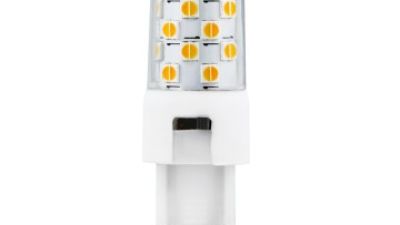
When choosing the right LED bulb, the G9 T19 model stands out for its versatility and efficiency. With its compact design (D19 x 55mm) and a wattage of just 3.9W, it provides an impressive output of 420 lumens, making it an ideal choice for both residential and commercial spaces. The flicker-free feature ensures a stable light output, which is critical not only for visual comfort but also for reducing eye strain, as supported by research from the Lighting Research Center indicating that flickering light can lead to headaches and discomfort in sensitive individuals.
The G9 T19 bulb also boasts a dimmable option and CCT (correlated color temperature) changeable capabilities, catering to various lighting needs and preferences. Whether you seek warm, cozy lighting or a cooler, more vibrant atmosphere, this bulb has you covered. Additionally, it operates efficiently across a voltage range of 110-130V AC to 200-240V AC, allowing for easy integration into various electrical systems.
Furthermore, the G9 T19 LED lamp is built to last, backed by a robust 3-year warranty and certifications including CE and ETL, ensuring compliance with safety and performance standards. This makes it a reliable choice for consumers looking to invest in energy-efficient lighting solutions that do not compromise on quality. With the growing demand for LED lighting, industry reports indicate a shift towards energy-efficient lighting solutions like this, projecting substantial growth in the market as more consumers prioritize sustainability and cost-effectiveness in their purchasing decisions.
FAQS
: LED lights use less energy, reduce electricity bills, and lower your carbon footprint.
LED lights can last over a decade, unlike regular bulbs that last about a year.
Yes, LEDs can be more expensive upfront, but savings on bills often justify the investment.
LEDs come in various styles and colors, allowing you to create different ambiances in your home.
Yes, some colors may be confusing. Experimenting with different options can help find what you like.
You can save up to 75% on energy costs compared to traditional bulbs over time.
Evaluate your current lighting setup and replace high-use bulbs first for maximum savings.
Monitor your energy bills regularly to see the impact of your new LED lighting.
Yes, dimmable options are available, providing flexibility in different lighting situations.
Definitely. Even if it takes time to adjust, the long-term savings make it worthwhile.
Conclusion
Switching to LED lights for home use offers numerous benefits, making it a wise choice for modern homeowners. LED lights are not only energy-efficient, reducing electricity bills, but they also last significantly longer than traditional lighting options. This longevity means less frequent replacements and lower maintenance costs. Furthermore, when comparing LED lights with conventional bulbs, it's clear they provide superior brightness and quality of light, enhancing the overall ambiance of a space.
When selecting LED lights for home, important features to consider include brightness, color temperature, and compatibility with smart home systems. Popular options can cater to different areas of the home, from warm, inviting lights for living rooms to bright, functional lighting for kitchens. Over time, the cost-effectiveness of LED lights becomes evident as their initial investment pays off through savings in energy consumption and reduced maintenance. Keeping these lights properly installed and maintained further maximizes their benefits, making the switch to LED lights for home not just beneficial but essential.